Table Of Content
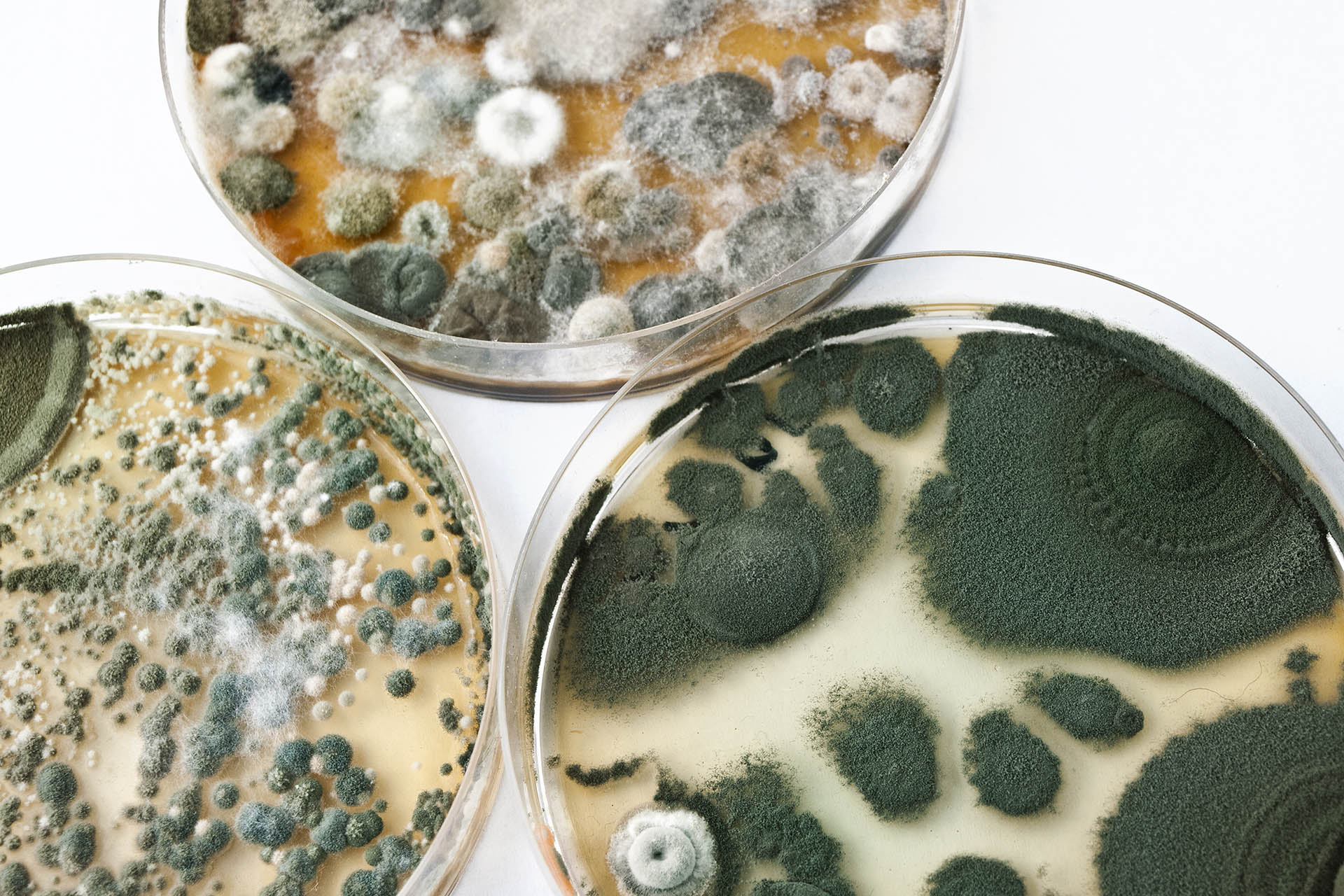
For people sensitive to mold, inhaling or touching mold spores can cause allergic reactions, including sneezing, runny nose, red eyes, and skin rash. People with serious mold allergies may have more severe reactions, including shortness of breath. In people with asthma who are allergic to mold, breathing in spores can also cause asthma attacks. Molds are usually not a problem indoors, unless mold spores land on a wet or damp spot and begin growing. Molds produce allergens (substances that can cause allergic reactions) and irritants. Inhaling or touching mold or mold spores may cause allergic reactions in sensitive individuals.
Mould and your health
The structural integrity of wood can also be compromised if mold has been left untreated for an extended period. Of course, it’s a normal occurrence to have some mold in a home. A typical home, without any signs of water damage or excessive moisture, can still have anywhere between 1 and 1,500 mold spores per cubic meter of air. Elevated levels beyond this range might suggest water damage or an environment conducive to mold growth, warranting further inspection and possible remediation. Mold spores that are naturally present in the environment can spring to life when they encounter damp conditions in a home. The excess moisture provides mold spores with the water they need to germinate and flourish.

How to remove mold from the shower
Fortunately, you don’t need to know the type of mold to get rid of it. Mold can cause health problems, especially for those with allergies or asthma. To avoid mold in your house, take action to eliminate it yourself or hire a professional if needed. Keeping an indoor space clean, dry, and well ventilated is the best way to prevent mold from developing.
Seal Moldy Areas After They Dry
But, never combine vinegar with bleach because it releases a lethal chlorine gas. Once the cycle is finished, leave the items to dry outside in the Sun. After this, you can potentially remove the mold with a simple combination of dish soap and water.
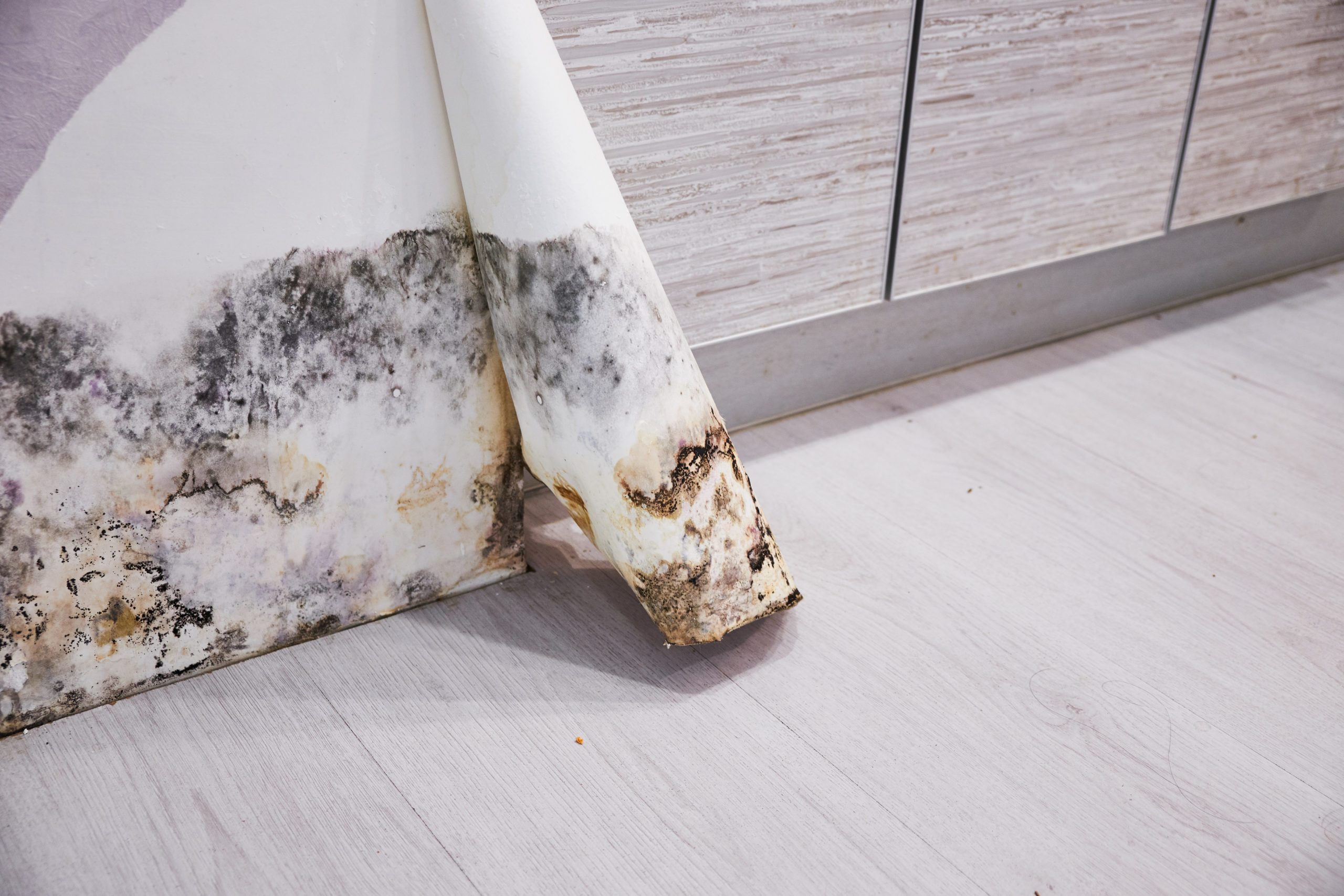
You don’t want the wood to stay wet for long, which could damage the finish, so work quickly and wipe dry any remaining moisture. The best thing you can do in your home is stop mold before it starts. The key to prevention is keeping the rooms in your house dry and cool. But sometimes, despite our best efforts, we find ourselves staring at those stubborn spots. When you’ve got a mold situation at home, here’s everything you need to know to handle it yourself quickly and easily.
Opinion: In Indiana, you must disclose mold, but not dead bodies - IndyStar
Opinion: In Indiana, you must disclose mold, but not dead bodies.
Posted: Tue, 24 Oct 2023 07:00:00 GMT [source]
The test involves placing droplets of mold allergens onto the surface of your skin with tiny punctures. If more than one allergen is being tested, they will be placed at different spots to observe separate reactions. Your healthcare provider will likely use one or more of the following evaluations to determine whether you have a mold allergy.
The tips and techniques presented in this section will help you clean up your mold problem. Professional cleaners or remediators may use methods not covered here. Please note that mold may cause staining and cosmetic damage. It may not be possible to clean an item so that its original appearance is restored. It will turn black or brown if not removed promptly and often looks like soil accumulation. Professional cleaners or remediators may use methods not covered in this publication.
An allergist or other healthcare provider can help you find the cause of a rash and whether it is linked to mold. This can help you get the treatment you need and relieve symptoms. Some species of Mucor can also infect blood in a condition called mucormycosis. Mucor grows quickly at room temperature or warmer, and can sometimes approach an inch in thickness. It’s generically called “pin mold” because the vertical growths with small heads look like sewing pins. One species called Serpula lacrymans is rare in nature and feeds almost exclusively on wooden structures.
Mold Cleanup
If you see a house frame that’s dry all the time yet still crumbles to pieces, you’ve seen dry rot in action. This common family of molds is found in soils around the world. There are 89 recognized species of this mold, with Trichoderma longibrachiatum, a.k.a. “common house mold,” one of the most prevalent. Katie looks after everything homes-related, from kitchen appliances to gardening tools.
Symptoms from exposure to acremonium spores include eye irritation, breathing problems, pneumonia, or even arthritis or fungal infections, according to the research database Antimicrobe. If family members experience any of these symptoms and you suspect your home has Acremonium mold, call a mold remediation expert to test and eradicate it. Since testing is the only way to determine if the type of mold in your home is Aspergillus, your best bet is to clean away all types of mold as soon as you spot them. You may suspect hidden mold if a building smells moldy, but you cannot see the source, or if you know there has been water damage and residents are reporting health problems. Mold may be hidden in places such as the back side of dry wall, wallpaper, or paneling, the top side of ceiling tiles, the underside of carpets and pads, etc. Mold will grow in places with a lot of moisture, such as around leaks in roofs, windows, or pipes, or where there has been flooding.
When your immune system recognizes that you have come in contact with mold, which it identifies as harmful, it makes an antibody called immunoglobulin E (IgE). Symptoms of mold exposure vary by individual depending on your sensitivity to mold. Symptoms can also be immediate or delayed, with minor symptoms that worsen over time. Reactions to mold depend on the degree to which you are sensitive to or allergic to mold. Like other allergies, this sensitivity varies widely by individual.
Most people can breathe in the spores of this fungus without becoming sick. However, people who have a weakened immune system or an existing lung condition can have a severe reaction. Molds can grow on a variety of different surfaces, including fabric, paper, wood, glass, and plastic.
Places that are often or always damp can be hard to maintain completely free of mold. It’s important to limit your exposure to mold and mold spores. This Guide provides information and guidance for homeowners and renters on how to clean up residential mold problems and how to prevent mold growth. The content on these web pages is based on EPA's publication "A Brief Guide to Mold, Moisture and Your Home." Updates have been made to some resources and links.
High indoor humidity levels increase the risk of Cladosporium growing. Inhaling the spores can cause respiratory symptoms such as a sore throat and irritated sinuses. The spores also can affect pets, causing runny eyes and sneezing. Frequent cleaning of carpeting and upholstery with a high-efficiency particulate air (HEPA) filter-fitted vacuum can help remove Cladosporium spores from a home before they start growing. This allergenic type of mold often is found under wallpaper when it’s stripped from the walls; it also can grow on bare wood and painted surfaces.
Under certain conditions, some types of mold can produce secondary toxins called mycotoxins. Exposure to mycotoxins can increase your risk of more serious illness from mold exposure. Indoors, mold can exist under sinks, in bathrooms and basements, and around leaky areas.




No comments:
Post a Comment